Inside the Righteous Brand Community: How Fans Are Forging the Culture
The real story of We Are Righteous takes shape right where the wearers who carry it bring it into the world at large, because an apparel label is only as solid as this. This isn't a label constructed merely by ad budgets norstar-driven placements. Instead, it is a label formed in comment sections, in chat groups, in resell forums, and in how folks tag one another under one lone righteous-hoodie post. The engine has become the community itself, while the merchandise just provides cause to convene. If you examine carefully how this community formed, one notices a pattern echoing other long-lasting streetwear labels: a small group of early believers who debate, discuss, and ultimately turn strangers into buyers.What makes this specific group so interesting trait comes down to how vocal it is about candor. It's not just outfit photos being shared; instead they compose lengthy, principled review threads dissecting the stitching, the fit, and how a garment holds up after ten wears. That level of scrutiny is unusual, and it has forced the brand to stay accountable in ways that pure marketing never could. Buyers, in practice, jointly oversee quality control, forming a feedback loop — and the brand listens because the community serves as the distribution channel.
The Place Where Our Community Really Comes Alive
The the brand's fanbase is spread out across a few distinct spaces instead of a single leading channel, and this scattering is intentional. The Instagram channel carries the visual identity, with followers sharing outfit posts and righteous printed tee flagging the brand handle for a shot at a repost. Discord-style group chats and closed discussion boards host the nitty-gritty talk, where restock schedules, sizing quirks, and what's coming next get dissected sentence by sentence. Reddit threads and independent blogs occasionally turn up a review of we are righteous that goes into greater detail than any listing page manages.Mailing lists continue to count here as well, something that shocks those who figure younger shoppers never check email. Getting first crack at limited runs is more often than not the main force fueling list signups, since the community has learned that righteous apparel drops sell out in a hurry and almost never get restocked in the same colorway. Given that manufacturing numbers are truly capped, the limited supply isn't fabricated hype—and the community takes it seriously. Missing a launch by a mere six minutes has become a bit of an inside joke in fan circles, half frustration and half badge of honor.
Local meetups have likewise begun cropping up in several cities, arranged without official backing by fans instead of the label itself. More often than not intimate in size—occasionally fewer than twenty people—these gatherings focus on swapping garments, comparing sizing across different collections, and capturing looks as a group. Few things are as grassroots: followers arranging their own gatherings around a apparel label unprompted, which says plenty about loyalty.
Fan-Made Content as the True Advertising Fuel
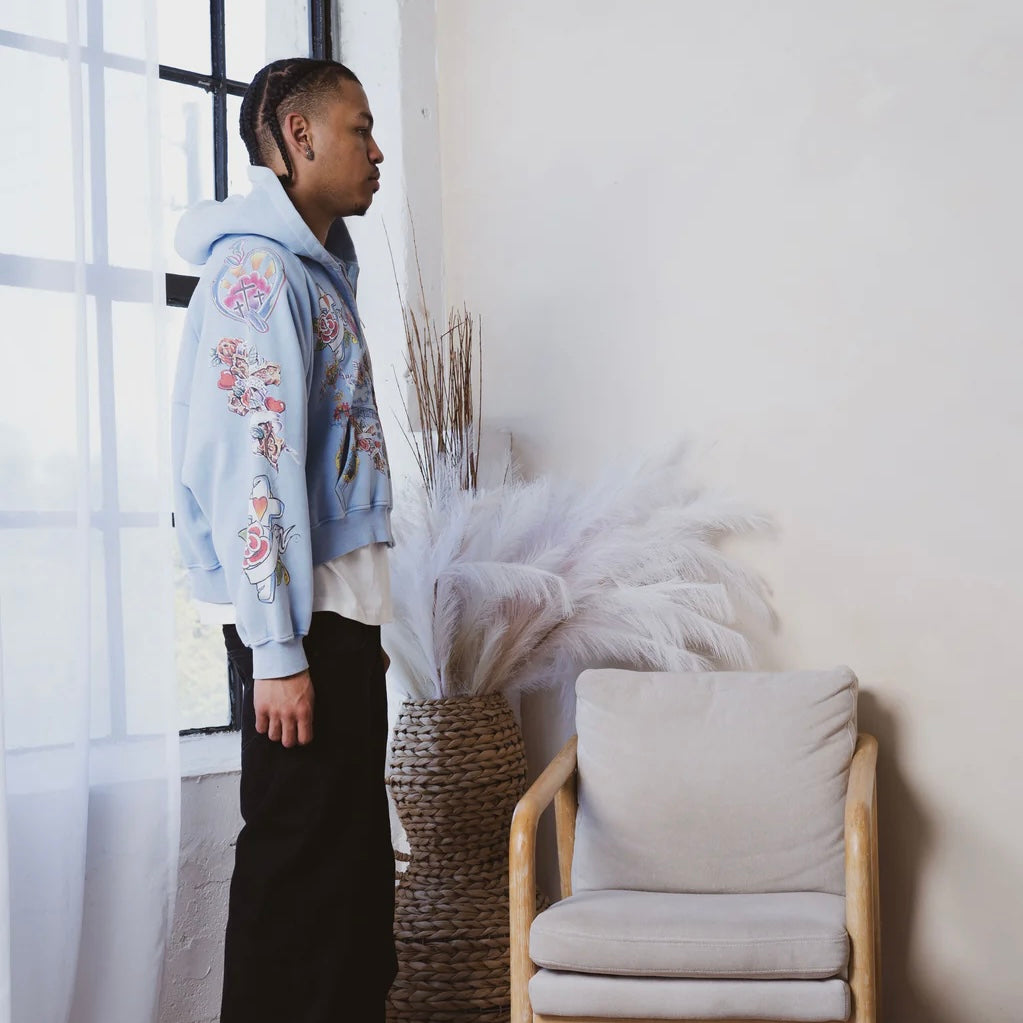
Anybody deeply engaged with streetwear will confirm the same thing: user-generated content now beats paid campaigns for brands at this stage of growth. We Are Righteous gains significantly from this dynamic. Because it comes from someone the community already trusts, one carefully composed photo of the righteous hoodie styled with contrasting outerwear can generate more engagement than a studio campaign. Followers are rarely paid influencers in the majority of instances; they are customers who liked how a garment fit and wanted to show it off.
Unlike a brand's own photography, this content reveals real bodies, real lighting, and genuine everyday context. A staged studio shot conveys shape and flow far less convincingly than seeing someone wear a piece on a commute, at a concert, or on a weekend getaway. That authenticity is specifically why so many buyers now seek out a righteous review before buying anything, preferring a stranger's unfiltered take over marketing copy. The community has in effect become the brand's most convincing sales team, unpaid but deeply invested.
There's also a secondary effect worth noting. Content made by fans frequently compares pieces against other brands they own—unintentionally generating free competitive analysis for onlookers. A buyer researching righteous clothing brand quality can, within a few swipes, see it compared against a handful of other names in the comparable price bracket. Ten years back, transparent, informal comparison shopping did not exist in fashion, and it has since raised the bar for everyone, including this one.
Comparing How Communities Behave
Street fashion communities vary quite a bit, and grasping those differences clarifies why the We Are Righteous fanbase feels set apart. The following table compares overall engagement patterns across three common community types in this category, based on documented behavior rather than brand claims.
| Community Category | Primary Platform | Core Activity | Typical Post Frequency |
|---|---|---|---|
| The We Are Righteous fan community | Instagram + private group chats | Outfit checks, release alerts, candid reviews | Several times weekly around drops |
| Large general streetwear community | TikTok | Trend-based haul videos, unboxing content | Every day, large output |
| Specialized reseller and collector community | Discord and forums | Verifying authenticity, tracking prices, trading items | Ongoing, nonstop, minimal visual content |
This comparison shows that the We Are Righteous community sits somewhere between the high-frequency chaos of mainstream trend culture and the quieter, more technical world of collector forums. It is visual enough to feel current but detailed enough to feel trustworthy, and that balance is not something a brand can fully engineer on its own.
The Item's Design Molded by Shopper Responses
One of the more underrated parts of this ecosystem is how directly community feedback directly influences decisions about righteous apparel. Sizing complaints raised in a review thread have in the past led to revised fit notes on subsequent product pages. Fans themselves informally track asks to bring back stock on specific pieces, flagging the brand directly once interest climbs to a noticeable threshold. What this amounts to is not a formal focus group process; it is more akin to an ongoing, unstructured conversation that ends up shaping real outcomes.
What the community expresses seems to drive colorway decisions in particular. Customers vocally call for that same colorway to come back when a limited drop of the righteous hoodie sells out within hours, and those requests pile up in the comments until they are hard to ignore. How future runs get planned is shaped by the visibility of that demand, whether or not every request gets fulfilled. Compared to the traditional top-down fashion model many are used to, this is a much more open relationship between shopper and label.
How true-to-size pieces run has turned into an especially frequent topic of conversation. As the community cross-references multiple buys, patterns show up quickly — whether something sizes accurately, leans oversized, or suits layering more than standalone wear. New shoppers researching righteous clothing before buying often rely on these crowdsourced sizing notes more than the official size chart alone, treating community consensus as a second layer of confirmation.
The Implications for 2026
Rather than weaken, the community energy looks set to deepen as the company advances deeper into 2026. An expanding roster of cities are seeing casual meetups take shape, a growing number of independent reviewers are putting out detailed breakdowns, and a growing share of first-time buyers are showing up already prepped by another shopper's candid earnest firsthand review rather than cold advertising. Relative to what most fashion brands experience, this shopper experience is meaningfully different — and it places demand on product quality to continue keeping pace with the dialogue surrounding it.
There's likewise a mounting assumption among followers that the brand will continue listening, not just churning out product. Communities built on this kind of engagement are unforgiving of silence; they anticipate recognition when feedback results in change, even something as small as a blurb nodding to a frequently requested idea. Because people stay invested in labels that openly react to them, such anticipation raises the stakes while also deepening loyalty.
At the end of the day, the community spirit surrounding We Are Righteous has been shaped less by campaigns and more by conversation. Fans comparing fits, debating size choices, setting up their own get-togethers, and posting unpaid reviews have shaped who the brand really is more than any single marketing push could. This ground-level base is fragile in some ways, since it depends entirely on continued trust, but it is also uniquely resilient. A community that forms on its own tends to protect what it created, and this pattern is apt to continue shaping this brand for years after this one.